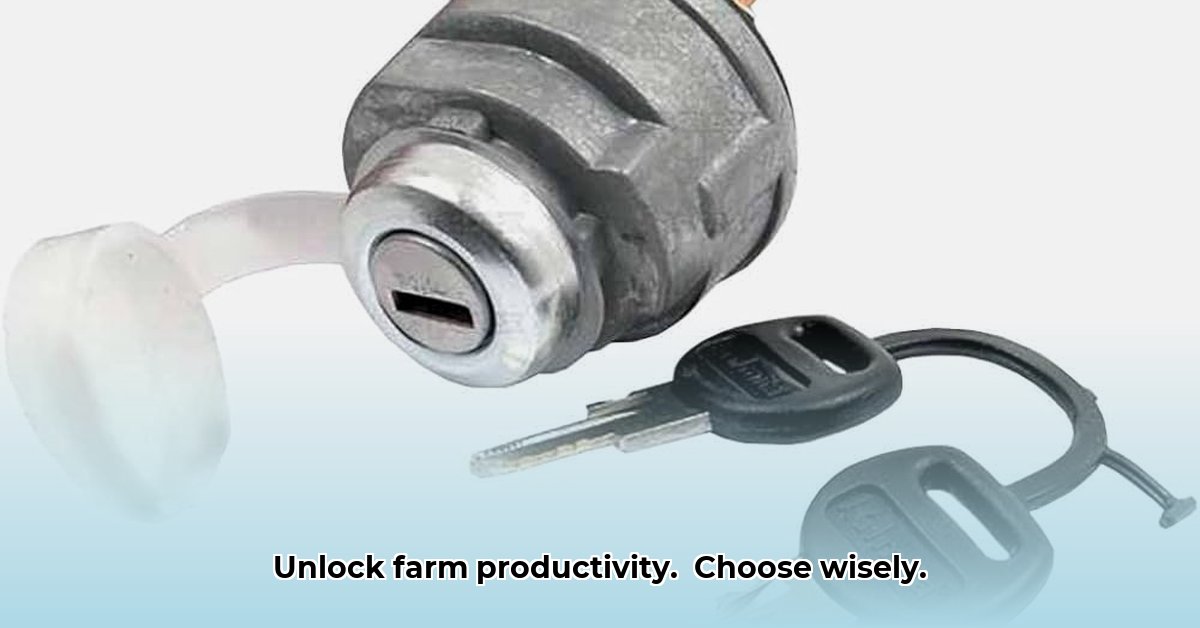
A dependable ignition switch is the unsung hero of a smoothly running farm. A faulty switch translates to downtime, lost productivity, and unnecessary expenses. This comprehensive guide will equip you with the knowledge to select, install, and maintain a high-quality tractor key switch, ensuring your equipment operates reliably and efficiently. For more resources, check out this helpful guide on tractor key switches.
Understanding Your Tractor's Ignition System
Your tractor's ignition switch acts as a central control point for the electrical system, initiating the power flow to start the engine and power other vital components. When you turn the key, the switch completes the electrical circuit, energizing the starter motor. A malfunctioning switch disrupts this crucial process, leaving your tractor immobile. Understanding this basic functionality emphasizes the importance of a reliable switch.
Choosing the Right Tractor Key Switch: Key Factors
Selecting a replacement ignition switch requires careful consideration beyond a simple "direct swap." The right switch must endure the demanding conditions of farm life. Here are crucial factors:
Durability: Built to Withstand the Elements
Durability is paramount. Choose a switch constructed from robust materials that resist wear and tear from dirt, dust, moisture, and temperature fluctuations common in agricultural settings. Investing in a high-quality switch now prevents costly repairs and downtime later.
Weatherproofing: Protection Against the Elements
Considering your tractor's frequent outdoor exposure, weather resistance is critical. Look for switches with a high Ingress Protection (IP) rating. An IPX6 rating (protection against powerful water jets from any direction) is a minimum recommendation for optimal weather protection. Higher ratings provide even more robust protection.
Security: Safeguarding Your Investment
Tractor theft is a significant concern. Security features are a wise investment. Select a switch with multiple keys and a tamper-resistant design to deter theft and enhance the security of your valuable equipment. Additional security measures, such as a protective cover, can further deter theft.
Compatibility: Ensuring a Seamless Fit
Compatibility is essential. The replacement switch must be compatible with your tractor's electrical system. Consult your tractor's owner's manual or the manufacturer's website for precise specifications to ensure a perfect fit. Using an incompatible switch risks causing significant electrical problems, potentially leading to further damage. Your local parts supplier can also offer valuable assistance in verifying compatibility.
Matching the Key Switch to Your Specific Needs
Choosing the ideal switch necessitates careful consideration of your specific needs:
| Feature | Important Considerations |
|---|---|
| Tractor Model | Precise compatibility is crucial. Consult your owner's manual or manufacturer's website for specific switch requirements. |
| Budget | While higher-priced options often indicate superior quality and durability, balance cost with long-term reliability and value. |
| Security Needs | Assess your risk of theft based on your location and adjust your selection accordingly. |
| Climate & Environment | The harshness of your climate and environment directly impacts the necessary level of weather protection; higher IP ratings are key. |
Manufacturer websites are a valuable resource for detailed specifications and diagrams. Your local parts supplier offers personalized recommendations tailored to your specific tractor model and geographic conditions.
Installing Your New Tractor Key Switch: A Step-by-Step Guide
Replacing an ignition switch requires careful attention to detail to prevent damage to other components. Always refer to your tractor's service manual for model-specific instructions. However, this general process provides a helpful guide:
Disconnect the Battery: This essential safety precaution prevents electrical shocks and potential damage to components. Always disconnect the negative terminal first.
Remove the Old Switch: Carefully remove the old switch, meticulously documenting the wiring connections. Taking photographs can be incredibly helpful for accurate reassembly.
Install the New Switch: Securely connect the wires to their corresponding terminals on the new switch, ensuring each connection is firmly and correctly made.
Thorough Testing: Reconnect the battery and carefully test the new switch. Start the tractor and confirm all electrical systems function correctly.
Regular Maintenance: Periodically inspect the switch for corrosion, loose connections, or any signs of wear. Addressing minor issues early prevents more extensive problems.
Safety Precautions: Prioritizing Safety During Installation
Electrical work involves inherent risks. Always prioritize safety:
- Battery Disconnection: The most crucial safety step is always disconnecting the battery before working with electrical components.
- Protective Gear: Wear appropriate protective gear, including safety glasses and gloves, to prevent injury.
- Professional Assistance: If you're uncomfortable working with electrical systems, seek help from a qualified mechanic.
Where to Buy a Reliable Tractor Key Switch
Reliable suppliers are crucial. Consider these options:
- Local Agricultural Suppliers: These suppliers often provide expert advice tailored to your specific needs and local climate.
- Online Retailers: Websites such as Amazon or Tractor Supply offer a vast selection, but thoroughly research and check reviews before making a purchase.
Investing in a dependable ignition switch is a small cost with significant returns. By carefully considering these points and following the installation guidelines, you can minimize downtime and keep your farm running efficiently.